What kind of wood is best for a deck in Florida?
Alright, so you're thinking about wood for your deck here in Florida. That's a smart question, because not all wood handles our heat and humidity the same way. For a long time, pressure-treated pine was the go-to choice, and it's still a solid, affordable option. It gets treated to resist rot and insects, which is super important down here. You'll find it everywhere, and honestly, it does the job.
But if you're after something with a bit more natural resistance and a different look, cedar and redwood are popular up north. However, they're not really built for our Florida climate without a ton of maintenance. They just don't stand up to the constant moisture and sun as well as some other choices, you know?
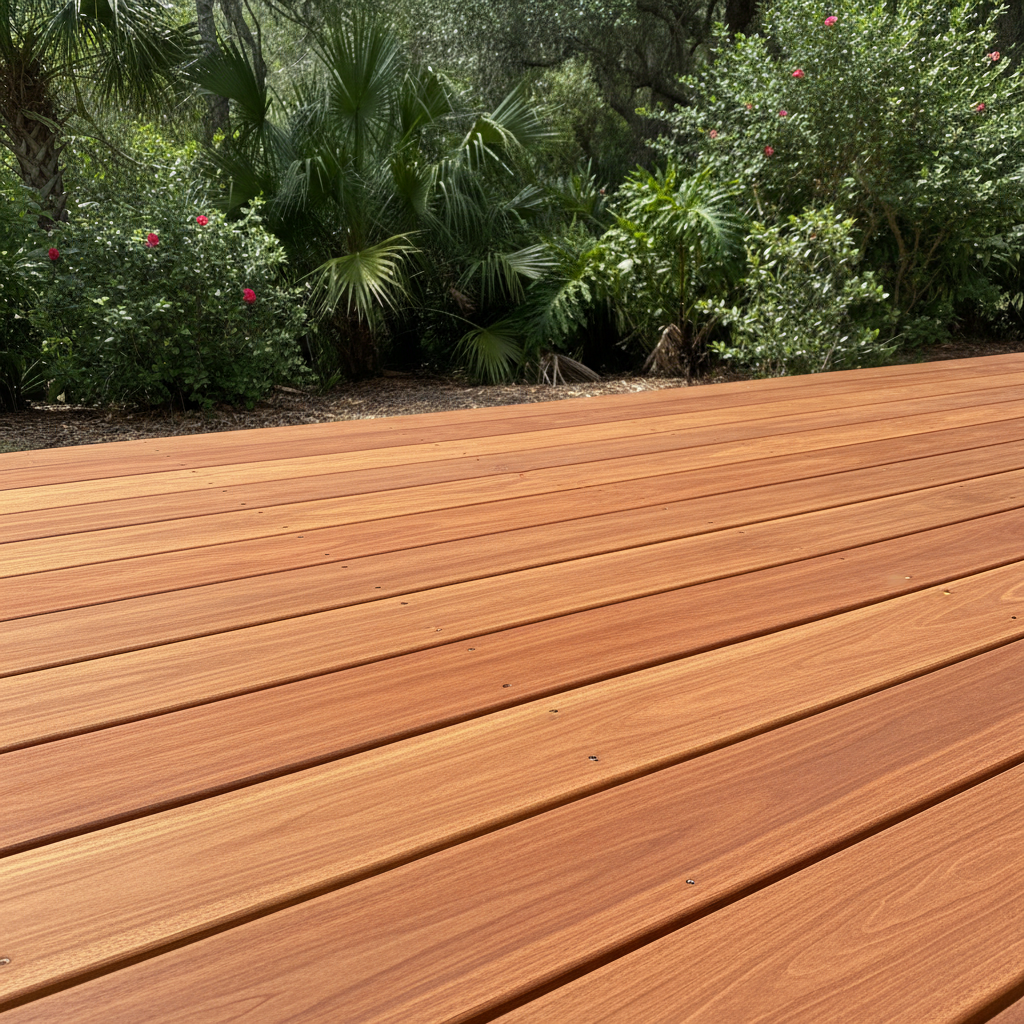
For a truly premium wood deck that really lasts and looks fantastic, I often suggest hardwoods like Ipe, Tigerwood, or Cumaru. These are tropical hardwoods, incredibly dense, and naturally resistant to rot, insects, and even fire. They cost more upfront, no doubt about it, but they'll last you decades if you take care of them. Also, they'll weather to a beautiful silver-gray if you let them, or you can keep their rich color with regular oiling. For most folks in Cross City, especially if you're on a budget, good quality pressure-treated pine is a great choice. Just make sure it's rated for ground contact if any part of your deck will be close to the soil.
How long can I expect a wooden deck to last here?
That's a big "it depends" question, but I can give you some real numbers. A well-built, well-maintained pressure-treated pine deck around here? You're probably looking at 10 to 15 years, maybe even 20 if you're really on top of things. I've seen some older ones still standing, but they usually look pretty tired and might have some soft spots. Maintenance is key – sealing, cleaning, and making sure water isn't sitting on it. Our Florida sun and humidity are brutal on wood, so skipping those steps really cuts down its lifespan.
Now, if you go with a tropical hardwood like Ipe, you're in a different league entirely. Those things can last 25 to 40 years, sometimes even longer. They're built to withstand much harsher conditions than our little corner of Florida throws at them. Again, maintenance plays a role, but their natural density and oils give them a huge head start. So, while a wooden deck won't last forever like a concrete slab, with the right wood and care, you'll get plenty of good years out of it.
What kind of maintenance does a wooden deck need?
Okay, this is where a lot of people drop the ball, and it's where your deck's lifespan really gets decided. First off, cleaning. You'll want to clean your deck annually, maybe even twice a year if it's under a lot of trees or gets a lot of use. A good power wash on a low setting, or even just a scrub brush with a deck cleaner, will get rid of mildew, algae, and dirt. That green stuff isn't just ugly; it holds moisture and breaks down the wood.
After cleaning, you need to seal or stain it. For pressure-treated pine, I recommend a good quality penetrating oil-based sealer or stain every 1-3 years. This protects the wood from UV rays, which cause fading and cracking, and repels water. Don't just use paint; it'll peel and be a nightmare. For tropical hardwoods, you can let them go natural and they'll turn a beautiful silver, or you can oil them annually to keep their rich color. It's more work, but it's worth it. Also, keep an eye out for loose boards, popped nails, or splinters, and fix 'em fast. Small problems become big ones quick.
Can I build a wooden deck over an existing concrete patio?
You absolutely can, and it's a pretty common request. It's a great way to turn an old, cracked, or just plain boring concrete patio into a beautiful, warm deck space. The main thing we need to consider is drainage and ventilation. You don't want water getting trapped between the deck and the patio, because that's a recipe for rot and mildew. We'll typically use sleepers – treated wood strips – laid directly on the concrete, often with shims to create a slight slope for drainage. Then the deck boards get attached to those sleepers.
It's crucial that there's enough airflow under the deck, especially here in Cross City where humidity is always high. If air can't circulate, moisture gets trapped, and your wood won't last. We also need to make sure the concrete is in decent shape and can support the added weight. If your patio is severely cracked or uneven, we might need to address that first. It's a good project, but it needs to be done right to avoid future headaches.
What's the deal with permits for wooden decks in Cross City?
Oh, permits. Yeah, you'll almost certainly need one for a new deck or a significant rebuild. It's not just a Cross City thing; it's pretty standard across Florida. The county wants to make sure your deck is built safely and to code. This means things like proper footings, correct spacing for joists and beams, and safe railings. They're looking out for your safety, even if it feels like extra paperwork.
Usually, any deck that's attached to your house or is more than 30 inches off the ground will require a permit. Even if it's a freestanding deck lower than that, it's always a good idea to check with Dixie County's building department. They can give you the definitive answer based on your specific plans. Don't try to skip it; if you sell your house later, an unpermitted structure can cause real problems. As Aim High Deck Solutions, we handle all the permitting paperwork for you, so you don't have to worry about it.
How do I know if my existing wooden deck needs repair or replacement?
That's a question I get a lot, especially from folks who've just moved into an older home. The first thing to do is a good visual inspection. Look for soft spots in the wood – poke it with a screwdriver. If it sinks in easily, that's rot, and it's a red flag. Check the ledger board where the deck attaches to your house; if it's pulling away or looks rotted, that's a major safety concern. Look at the posts and beams too. Are they plumb? Are there big cracks or signs of insect damage?
Also, check the railings. Give them a good shake. If they're wobbly, they're not safe. If you see a lot of splintering, cupping, or severe cracking on the deck boards, it might be time. Sometimes, it's just a few boards that need replacing, but if the main structure – the posts, beams, and joists – are compromised, then you're usually looking at a full replacement. It's always better to be safe than sorry when it comes to structural integrity. If you're unsure, give us a call; we can come out and give you an honest assessment.